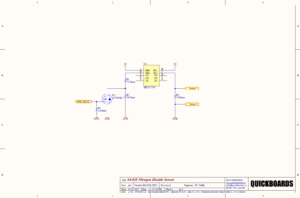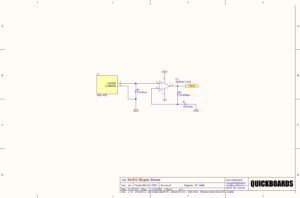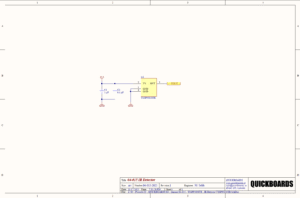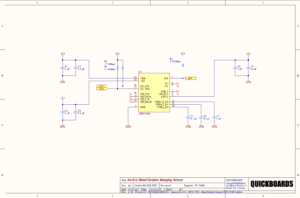

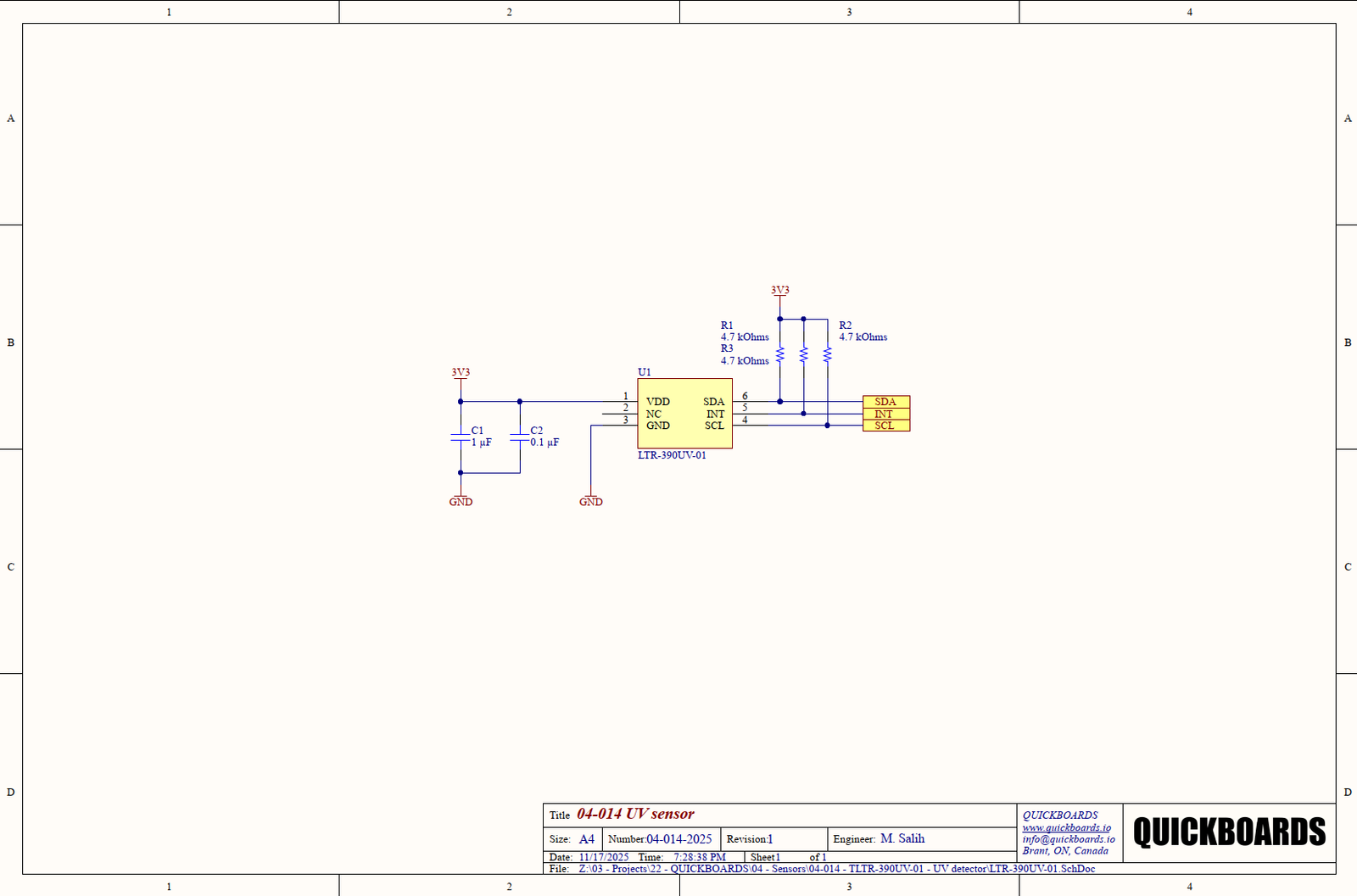
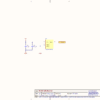
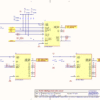
This schematic block features the LTR‑390UV‑01, a compact dual-mode light sensor that measures both ambient light (ALS) and ultraviolet (UV) intensity with a single I²C-enabled device. It integrates two photodiodes and high-resolution ADCs to provide wide dynamic-range digital readings, making it ideal for wearable devices, environmental monitors, and UV-index detection systems.
Housed in a tiny 6‑WFDFN package, this breakout module exposes power, I²C lines (SDA/SCL), and interrupt functionality for threshold-based wake-ups. With very low power consumption and a programmable interrupt, it’s well suited for battery-powered applications that need efficient light monitoring.
Key Features:
- Dual-mode sensor: ambient light + ultraviolet measurement
- Digital interface: I²C (supports both standard and fast modes)
- Supply voltage range: 1.7 V to 3.6 V
- Operating temperature: –40 °C to +85 °C
- Very low active current and ultra-low sleep current
- High resolution: programmable between ~13 to ~20 bits
- Extremely wide dynamic range (~1 : 18,000,000) for precise detection
- Flicker (50/60 Hz) rejection built in
- Built-in temperature compensation
- Programmable interrupt with upper/lower thresholds
Typical Applications:
- UV-index monitoring in wearables and sun-exposure devices
- Smart-home lighting and shading control
- Portable environmental sensing systems
- Display brightness control in low- and high-ambient light
- UV-sensitive safety or health devices
- Solar-monitoring or outdoor exposure tracking
By integrating this Quickboards schematic block, engineers can rapidly prototype systems that need both ambient light and UV sensing, reduce power consumption through smart wake-up logic, and rely on a compact, digitally calibrated sensor for reliable light measurement.