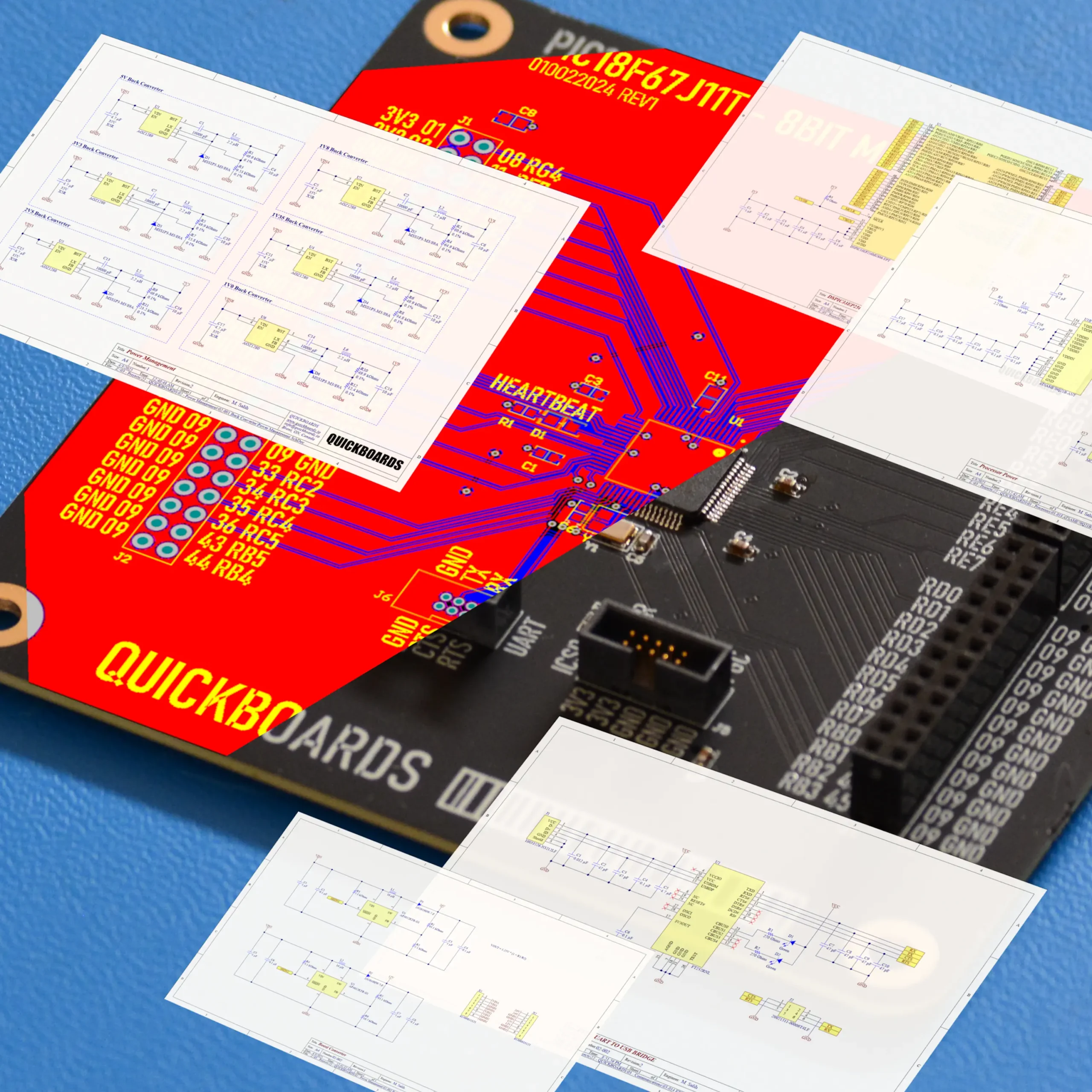

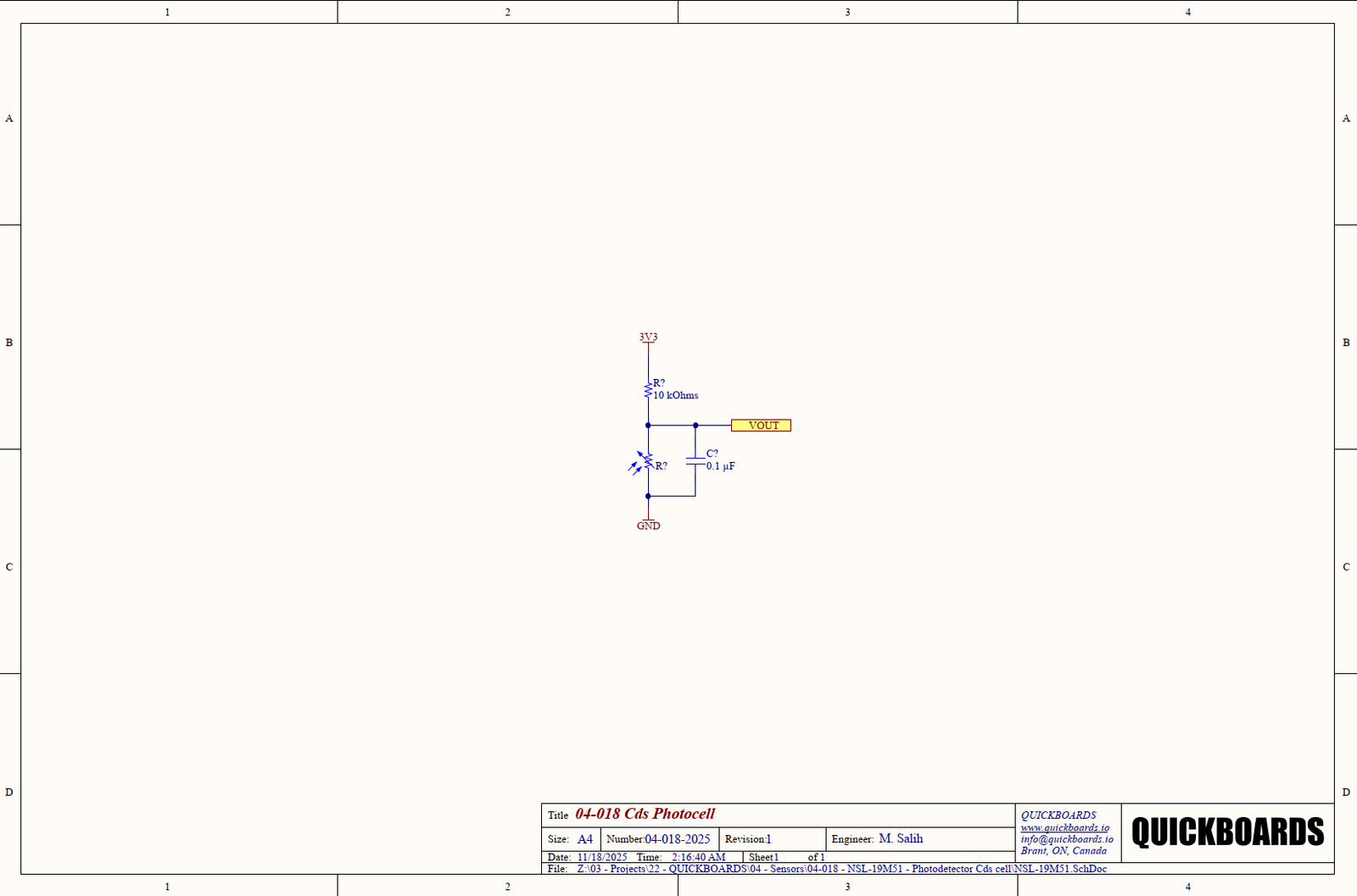

This schematic block features the NSL‑19M51, a cadmium sulfide (CdS) photoconductive cell used as a light-dependent resistor. Its resistance changes in response to ambient light: lower resistance under bright light, and higher resistance in darkness. The sensor is encapsulated in a moisture-resistant TO‑18 ceramic package, ensuring durability in various environmental conditions.
Designed for straightforward integration, this breakout module exposes its two leads so you can easily form a voltage divider or connect it directly to an ADC. Its passive behavior makes it simple to use in light-sensing, control, or feedback circuits.
Key Features:
- CdS photoconductive (resistive) output
- Light resistance: ~20 kΩ to 100 kΩ (at ~10 lux)
- Dark resistance: ≥ 20 MΩ (after light removal)
- Peak spectral response at ~550 nm (visible light)
- Resistance “gamma” (responsivity non-linearity): ~0.7 in 1–10 lux and 10–100 lux ranges
- Maximum voltage rating: 100 V (peak, AC or DC)
- Power dissipation: 50 mW at 25°C
- Operating temperature: –60 °C to +75 °C
Typical Applications:
- Ambient light sensing (e.g., for displays or lighting control)
- Light-based trigger or comparator circuits
- Photo‑metering or automatic brightness adjustment
- Educational or prototyping projects
- Night‑lights or daylight detectors
- Passive light-based feedback sensors
By integrating this Quickboards schematic block, engineers can quickly implement reliable light-level sensing with linear passive behavior, avoid the need for active components, and take advantage of a well-characterized, durable LDR design.
| Primary IC | NSL-19M51 |
|---|---|
| IC Datasheet | https://mm.digikey.com/Volume0/opasdata/d220001/medias/docus/6165/nsl-19m51.pdf |
| Associated Hardware | HB040182025 |
Related products

Motion Sensors
LSM6DSOTR — 3AXIS ACCELEROMETER SENSOR IC
Color sensors
VEML6046X00 — SENSOR OPT HIGH ACC RGBIR I2C
ZTP-148SRC1 — SENSOR ANALOG TEMP TO46-3
Digital Temp Sensor
SB040232025 – LM75BDP,118 DIGITAL TEMP SENSOR SCHEMATIC BLOCK
LM75BDP,118 — SENSOR DIGITAL TEMP 8TSSOP
Analog Temp Sensor
SB040222025 – MCP9700T-ETT ANALOG TEMP SENSOR SCHEMATIC BLOCK
MCP9700T-ETT — SENSOR ANALOG TEMP SOT23-3
Humidity Sensor
ENS210-LQFM — DIGITAL HUMIDITY/TEMP SENSOR
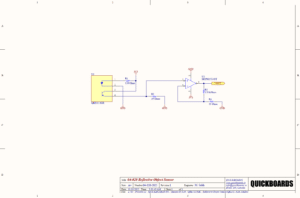
Reflective Object Sensor
SB040202025 – QRE1113GR REFLECTIVE OBJECT SENSOR SCHEMATIC BLOCK
QRE1113GR — REFLECTIVE OPTICAL SENSOR
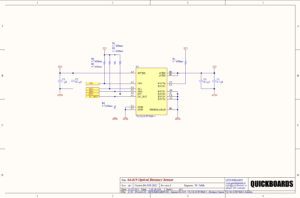
Distance Sensor
VL53L5CXV0GC1 — SENSOR OPTICAL 20-10000CM I2C